Compare the Best Telco Data Plans for Peru in 2026
8/12/2026
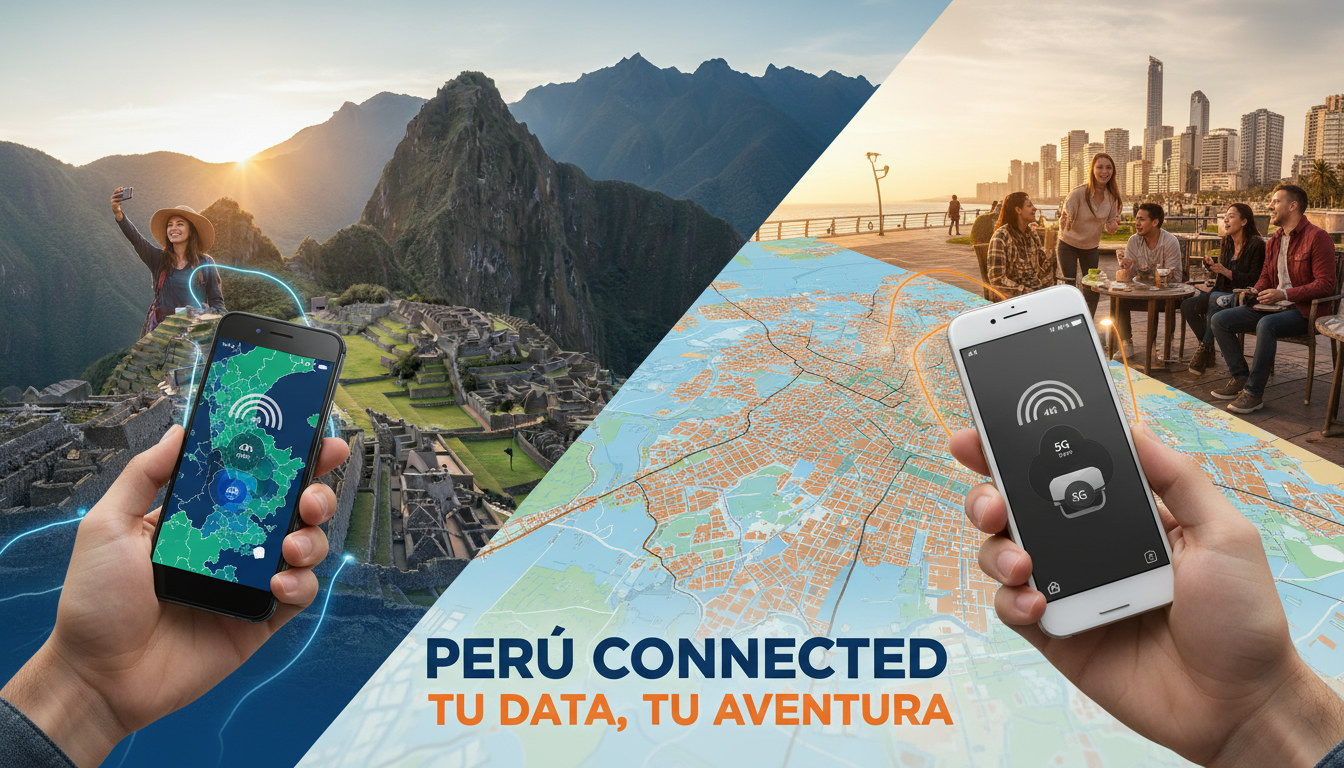
In short, what you'll discover in this article: a clear explanation of telco data, how telecommunications companies collect and use it, and why understanding this data is crucial for businesses and customers alike. We'll break down key concepts like telco data analytics, platforms, and security in simple terms.
1. Understanding Telco Data: What It Is and Why It Matters
Telco data refers to the vast amounts of information generated and collected by telecommunications companies during their daily operations. This data includes call records, internet usage, location information, device types, and customer behavior patterns.
It forms the backbone of how telcos manage networks, improve services, and tailor offerings.
The importance of telco data lies in its ability to provide insights that drive business decisions and enhance customer experience. For example, analyzing call drop rates or data usage trends helps telcos optimize network coverage and capacity.
2. How Telco Data Is Collected and Managed
2.1 The Telco Data Collection Process
Telecommunications companies gather data through various sources such as:
- Network equipment logs
- Customer interactions
- Mobile devices connected to the network
- Internet traffic monitoring
This continuous data flow creates a rich dataset that telcos analyze to maintain service quality.
2.2 A Telco Data Platform: Centralizing Information
A telco data platform is a specialized system designed to collect, store, and process this massive volume of information efficiently. It integrates multiple data sources into a unified environment, enabling real-time analytics and reporting.
2.3 The Role of a Telco Data Warehouse
Within the platform, a telco data warehouse stores historical data for long-term analysis. This helps companies identify trends over time, forecast demand, and plan infrastructure investments.
3. The Telco Data Analytics: Turning Raw Data Into Insights
The core value of telco data lies in the telco data analytics—the process of examining datasets to uncover patterns and actionable insights. Analytics can reveal customer churn risks, peak usage times, or popular service features.
For instance, by analyzing customer behavior, telcos can design personalized offers or detect fraudulent activities early.
4. Key Components of a Telco Data Solution
A comprehensive telco data solution typically includes:
- Data Integration: Combining disparate datasets from various network elements.
- Data Management: Ensuring data quality, security, and accessibility.
- Analytics Tools: Applying machine learning or statistical models.
- Visualization: Presenting insights through dashboards for decision-makers.
These components work together to empower telcos with strategic advantages.
5. The Telco Data Security: Protecting Sensitive Information
Given the sensitive nature of customer data, the telco data security is paramount. Telecom companies implement robust encryption, access controls, and compliance measures to safeguard privacy and prevent breaches.
Security strategies also involve monitoring for unusual activity that could indicate cyber threats.
6. The Telco Data Integration: Connecting Systems Seamlessly
Effective telco data integration ensures that all relevant systems—from billing to network management—share consistent information. This reduces errors and improves operational efficiency.
Integration supports real-time decision-making and enhances customer service responsiveness.
7. Developing a Telco Data Strategy for Business Success
A well-crafted telco data strategy aligns technology investments with business goals. It defines how data is collected, processed, analyzed, and leveraged to create value.
Key steps include:
- Assessing current data capabilities
- Identifying business priorities
- Selecting appropriate tools and platforms
- Training teams on data literacy
This strategic approach helps telcos stay competitive in a fast-evolving market.
8. Real-World Examples of Telco Data Insights in Action
Telecom operators worldwide use telco data insights to:
- Optimize network coverage based on usage patterns
- Launch targeted marketing campaigns
- Predict customer churn before it happens
- Enhance customer support with personalized solutions
These examples highlight the practical benefits of harnessing telco data effectively.
9. Conclusion
Understanding telco data is essential for anyone involved in telecommunications or related projects. From collection to analytics and security, each aspect plays a vital role in shaping better services and smarter business decisions.
For those working on telecom analytics projects, grasping these fundamentals will accelerate your contribution significantly.
If you want to explore connectivity options while traveling in Peru or learn about local eSIM plans that leverage advanced telco infrastructures, check out esim-peru.com for detailed guides on eSIM activation and coverage comparisons tailored for Peru travelers.
Keywords integrated: telco data analytics, a telco data platform, the telco data management, a telco data solution, the telco data security, a telco data warehouse, the telco data integration, a telco data strategy, the telco data insights
FAQ
What types of data do telcos collect from customers?
Telcos collect various data including call records, internet usage, device types, location information, and customer behavior patterns. This data helps them manage networks and improve services.
How does a telco data platform improve data management?
A telco data platform centralizes data collection and processing from multiple sources, enabling real-time analytics and efficient reporting. It streamlines handling large volumes of telco data.
Why is telco data analytics important for telecom companies?
Telco data analytics uncovers patterns like customer churn risks and peak usage times, allowing companies to optimize services, personalize offers, and detect fraud early.
What security measures protect sensitive telco data?
Telecom companies use encryption, access controls, and compliance protocols to safeguard customer data. They also monitor for unusual activities to prevent cyber threats.
How does telco data integration enhance operational efficiency?
Telco data integration connects systems like billing and network management to share consistent information, reducing errors and enabling faster, more accurate decision-making.

Diego Ramirez
Diego is a South America travel writer. At Peru eSIM he compares Claro, Movistar, Entel and Bitel coverage from Lima to Machu Picchu.