Best Portable Internet Options with eSIM Data Plans in Peru
7/29/2026
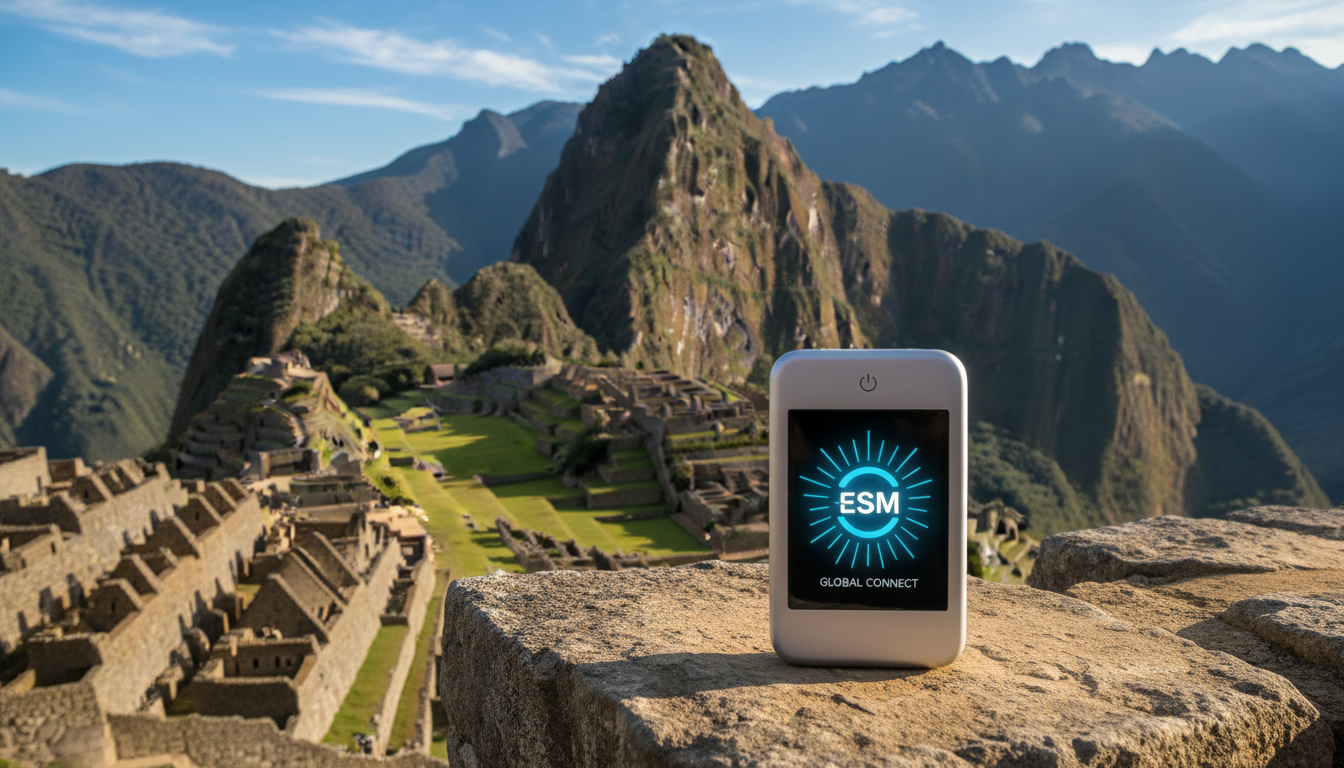
In short, what you'll discover in this article: Explore everything about internet portatil—portable internet solutions perfect for travelers and remote workers in Peru. Learn about devices, plans, coverage, speeds, and how to choose the best option to stay connected reliably on the go.
1. Introduction: What Is Portable Internet and Who Is It For?
Portable internet, often called wifi portable or mobile internet, is a wireless connection solution that allows users to access the internet anywhere without relying on fixed broadband or public Wi-Fi. It’s ideal for travelers, remote workers, digital nomads, and anyone needing reliable connectivity on the move.
This technology uses cellular networks (4G/5G) to provide internet access through various devices such as mobile hotspots, MiFi routers, or eSIM data plans. If you’re planning a trip to Peru or working remotely from different locations, portable internet offers freedom and security without the hassle of installations or contracts.
2. Types of Portable Internet Devices
2.1 MiFi Routers and 4G/5G Routers
MiFi routers are compact devices that create a personal Wi-Fi network by connecting to cellular networks. These portable internet routers support multiple devices simultaneously and often come with rechargeable batteries for true mobility.
Modern 4G and 5G routers offer faster speeds and better coverage, making them excellent choices for high-demand users.
2.2 USB Dongles and Smartphone Hotspots
USB dongles or portable internet modems plug directly into laptops to provide internet via cellular networks. Meanwhile, many smartphones can act as portable internet hotspots, sharing their mobile data connection with other devices through Wi-Fi.
These options are convenient but may have limitations in battery life and simultaneous device connections.
2.3 eSIM and Data SIM Cards
An increasingly popular choice is the eSIM datos—a digital SIM embedded in your device that can be activated remotely with a data plan tailored for travel or local use. eSIMs eliminate the need for physical cards and allow instant activation of a portable internet data plan without swapping SIMs.
For Peru travelers, eSIMs offer flexibility and cost savings by avoiding roaming fees.
For more details on eSIM options tailored for Peru, check out this guide on eSIM Peru.
3. How Portable Internet Works
3.1 The Role of Mobile Networks (4G/5G) and Technical Basics
Portable internet relies on cellular networks like 4G LTE or 5G to transmit data wirelessly. The device connects to nearby cell towers, converting signals into Wi-Fi or direct data connections for your gadgets.
The quality of service depends heavily on network coverage (cobertura) and signal strength.
3.2 APN Settings, Activation, and Device Compatibility
To use portable internet devices effectively, correct APN (Access Point Name) settings must be configured to connect to the provider’s network. Most modern devices auto-configure these settings upon SIM activation but manual setup may be required sometimes.
Compatibility varies by device; some smartphones support eSIMs while others require physical SIM cards or dedicated routers. Before purchasing, verify if your device supports the type of portable internet solution you want.
Learn how to activate your eSIM in Peru step-by-step at how to get eSIM in Peru.
4. Plans, Prices, and Providers: How to Compare
4.1 Limited vs Unlimited Data; Cost Per GB
Portable internet plans range from limited data bundles to unlimited packages. Limited plans are usually cheaper but risk extra charges if you exceed your allowance.
Unlimited plans offer peace of mind but come at a higher price.
When comparing prices (tarifas internet portable), consider cost per GB alongside total price to find the best value for your usage pattern.
4.2 Coverage Maps and Operator Networks (Tips Before Purchase)
Coverage quality varies significantly across Peru’s regions. Major providers like Claro, Movistar, Entel, and Bitel offer different levels of service depending on location.
Before buying a plan or device, check coverage maps carefully to ensure reliable connectivity where you’ll be traveling or working.
For travelers seeking tailored options, Peru travel eSIM offers curated plans with verified coverage.
5. Speed and Performance: Tests and Influencing Factors
5.1 Measuring Speed (Download/Upload, Latency)
The fastest portable internet connection depends on download/upload speeds and latency (response time). Speed tests help evaluate real-world performance but can vary by time of day and network congestion.
5.2 Factors Affecting Performance (Positioning, Antenna, Congestion)
Several factors influence your portable internet experience:
- Device placement (near windows or outdoors improves signal)
- Quality of router antenna
- Network congestion during peak hours
- Distance from cell towers
Optimizing these factors can significantly enhance your connection quality.
6. How to Choose Your Portable Internet: A Practical Guide
6.1 Criteria Based on Usage (Traveling, Vacation Home, Remote Work, Nomad Life)
When selecting the best portable internet plans, consider:
- Duration of use (short trip vs long-term)
- Data needs (light browsing vs video conferencing)
- Number of connected devices
- Battery life requirements
- Budget constraints
6.2 Example Comparison: Entry-Level vs Premium Options
Entry-level devices like USB dongles suit casual users with minimal data needs. Premium options such as high-end MiFi routers with 5G support are ideal for professionals requiring fast speeds and multiple connections.
For specific recommendations based on your profile, explore detailed comparisons on esim-peru.com.
7. Installation, Configuration, and Optimization
7.1 SIM Activation/APN Setup Step-by-Step
Activating your portable internet involves:
- Purchasing a compatible SIM or eSIM data plan.
- Inserting the SIM or scanning an eSIM QR code.
- Configuring APN settings if not automatic.
- Connecting your device(s) to the hotspot network.
Most providers include easy-to-follow instructions or customer support for setup assistance.
7.2 Optimizing Reception and Battery Life
To maximize reception:
- Place your router near windows facing cell towers.
- Avoid physical obstructions.
- Use external antennas if supported.
For battery optimization:
- Turn off unused features.
- Use power-saving modes.
- Carry portable chargers if needed.
8. Security and Best Practices
8.1 Setting Passwords and Encryption
Always secure your hotspot mobile with strong passwords and enable WPA3 or WPA2 encryption to prevent unauthorized access.
8.2 When and How to Use a VPN
Using a VPN adds an extra layer of security by encrypting your traffic—especially important when accessing sensitive work emails or browsing over public networks.
9. Advanced Use Cases and Creative Ideas
9.1 Portable Internet for Vehicles, Cameras, Temporary Events
Portable internet solutions are perfect for:
- Internet access in cars or RVs
- Streaming from outdoor cameras
- Providing connectivity at festivals or pop-up events
9.2 Hotspot Rentals and Multi-SIM/Multi-Operator Solutions
Some providers offer hotspot rentals or multi-SIM devices that switch between operators automatically for optimal coverage—a smart choice for extended trips across diverse regions.
10. Conclusion and Purchase Recommendations
Choosing the right internet portatil depends on your specific needs—whether it’s casual browsing during travel or robust connectivity for remote work in Peru’s varied landscapes.
Consider factors like device type, data plan limits, coverage quality (cobertura), speed (velocidad), battery life (batería), and cost (tarifas internet portable). For travelers seeking convenience without roaming fees, eSIM data plans are increasingly popular due to instant activation and flexibility.
To find competitive offers with verified discount codes from top providers like Roamic or Yesim, consult trusted sources such as MyBestSim for the latest deals tailored to Peru’s market.
Start your journey well-connected by choosing a reliable portable internet solution today!
References:
Explore detailed insights about portable Wi-Fi technology at Vodafone’s guide explaining how compact modems create personal networks without installation hassle.
FAQ
What devices provide the best portable internet in Peru?
MiFi routers and 4G/5G routers are top choices for portable internet in Peru. They support multiple devices, offer fast speeds, and have rechargeable batteries, making them ideal for travelers and remote workers needing reliable connectivity.
How do eSIM data plans benefit travelers in Peru?
eSIM data plans allow instant activation without physical SIM cards, offering flexibility and cost savings by avoiding roaming fees. They are perfect for travelers who want easy, secure internet access without swapping SIMs.
What factors affect portable internet speed and performance?
Speed depends on network coverage, device placement near windows or outdoors, antenna quality, and network congestion. Optimizing these factors can significantly improve your portable internet experience.
How can I ensure good coverage when choosing a portable internet plan?
Check coverage maps of providers like Claro, Movistar, Entel, and Bitel before purchasing. Selecting a plan with verified coverage in your travel or work areas ensures reliable connectivity throughout Peru.
What security measures should I take when using portable internet?
Always set strong passwords and enable WPA2 or WPA3 encryption on your hotspot. Using a VPN adds an extra layer of protection, especially when accessing sensitive information over public or mobile networks.

Diego Ramirez
Diego is a South America travel writer. At Peru eSIM he compares Claro, Movistar, Entel and Bitel coverage from Lima to Machu Picchu.