eSIM République Dominicaine: Compatible Devices and Technical Limits
10/27/2026
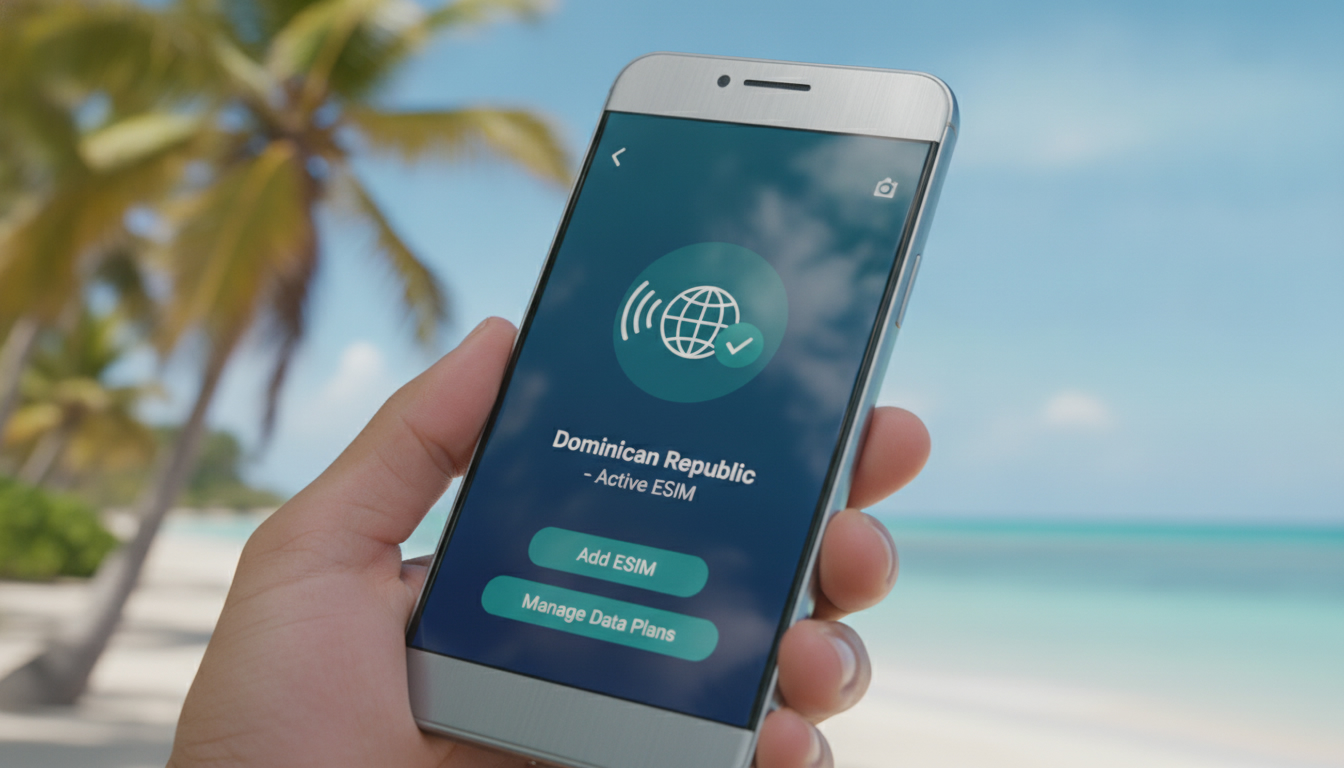
Devices Compatible With eSIMs in the Dominican Republic: What You Need to Know
If you’re planning to stay connected in the Dominican Republic using an eSIM, the first question is: which devices actually support eSIM technology there? Not all phones or gadgets can handle eSIMs, and even among compatible devices, some technical limitations can affect your experience.
Understanding these details upfront saves you from connectivity headaches and unexpected costs once you land.
Which Devices Support eSIMs for Use in the Dominican Republic?
eSIM technology is built into many modern smartphones, tablets, and wearables, but compatibility depends on the device model and carrier support. In the Dominican Republic, the major eSIM providers work primarily with devices that meet GSMA’s SGP.22 specification for remote SIM provisioning.
Smartphones That Work With eSIMs
Most recent flagship smartphones from Apple, Samsung, Google, and some others support eSIMs. Here’s what you need to know:
- Apple iPhones: Models from iPhone XS and newer fully support eSIM functionality. The iPhone XR, 11, 12, 13, 14 series all allow dual SIM use with one physical SIM and one eSIM profile. However, older iPhones do not have this capability.
- Samsung Galaxy Phones: The Galaxy S20 and later models generally support eSIMs. Note that Samsung’s implementation sometimes requires a carrier-specific update to activate eSIM functionality.
- Google Pixel Phones: Pixel 3 and newer models support eSIMs natively.
- Other Brands: Some newer devices from brands like Huawei or Motorola include eSIM support but check for regional compatibility.
A key field observation is that if your device is locked to a carrier or region, it may block eSIM activation for foreign providers. This is a common trap travelers fall into: buying a phone locked to a local carrier means you cannot add an international eSIM without unlocking it first.
Tablets and Wearables
Many recent iPads (from the 3rd generation onwards) support eSIMs, as do smartwatches like the Apple Watch Series 3 and later. However, these devices often require activation through a paired smartphone or specific carrier profiles.
Technical Limitations to Watch For
- Single vs Dual SIM Mode: Some devices only allow one active data connection at a time. For example, an iPhone with both a physical SIM and an eSIM can switch between them but cannot use both simultaneously for data.
- eSIM Profile Storage Limit: Devices typically store multiple eSIM profiles but only activate one at a time. If you frequently switch providers or countries, managing profiles can become cumbersome.
- Device Firmware Updates: Activation of an eSIM often requires the latest operating system version. Older OS versions may lack necessary provisioning features.
How to Check If Your Device Can Use an eSIM in the Dominican Republic
Before buying an eSIM plan for the Dominican Republic, verify your device’s compatibility:
- Check Manufacturer Specifications: Look for GSMA SGP.22 compliance or explicit mention of eSIM support.
- Confirm Device Unlock Status: A locked phone will likely reject foreign eSIM profiles.
- Update Your Operating System: Ensure your device runs the latest firmware version to avoid provisioning errors.
- Test Activation Capability: Some devices allow you to scan QR codes or enter activation codes directly in settings; if these options are missing, your device might not support eSIM.
I always start by verifying unlock status because it’s the most overlooked factor that blocks successful activation abroad.
Limitations and Requirements When Using an eSIM Data Plan in the Dominican Republic
Even if your device supports an eSIM technically, there are practical limits and requirements that affect how well your service will work.
Network Coverage and Provider Compatibility
The Dominican Republic’s main mobile networks—Claro Dominicana, Altice Dominicana, and Viva—offer varying levels of support for international eSIM providers. Most third-party global eSIM sellers like Airalo or Holafly rely on roaming agreements with these carriers.
A critical field insight is that roaming via an international eSIM often results in slower speeds or limited coverage compared to local physical SIM cards, especially outside major cities like Santo Domingo or Punta Cana.
Activation Process Constraints
Activating an eSIM requires:
- A stable internet connection on your device (usually Wi-Fi) during setup.
- Scanning a QR code or entering a manual activation code provided by your chosen provider.
- Sometimes restarting your device after installation.
A common mistake is trying to activate the eSIM after losing Wi-Fi connectivity; this causes activation failure requiring troubleshooting.
Data Plan Validity and Usage Limits
eSIM plans for the Dominican Republic usually come with fixed data allowances valid for specific durations—often 3 GB valid for 15 or 30 days depending on the provider. Unlimited data plans exist but are rare and tend to be more expensive.
Providers like JamboSim offer 3 GB plans valid for 30 days at competitive prices around $5 USD (according to MyBestSim data). The cheapest options typically start at about $3 USD per day for smaller data bundles from providers like eSIM.dog.
Device Settings Affecting Performance
Some devices default to using cellular data from the physical SIM rather than the active eSIM profile unless manually configured. This can cause unexpected roaming charges if your physical SIM is from another country.
I’d advise against assuming automatic switching; always check your device’s cellular settings before traveling.
Recommended Providers Offering Reliable eSIM Plans for the Dominican Republic
Choosing a provider depends on price, coverage quality, ease of activation, and customer service responsiveness.
| Provider | Data Allowance | Validity | Price (USD) | Notes |
|---|---|---|---|---|
| JamboSim | 3 GB | 30 days | $4.99 | Competitive pricing |
| Yatelo | 3 GB | 30 days | $5.61 | Good coverage via roaming |
| Redtea | 3 GB | 30 days | $6.55 | Stable connections |
| LinkeSIM | 3 GB | 31 days | $6.60 | Includes hotspot capability |
| Breeze | 3 GB | 30 days | $6.99 | Easy activation |
| CocoRoam | 3 GB | 30 days | $8.60 | Slightly higher price |
| eSIM.dog | 3 GB | 1 day | $2.99 | Short-term option |
These prices reflect current offers listed by MyBestSim, a trusted source for comparing international travel eSIMs.
Tips for Activation Success
- Activate your chosen plan before leaving home while connected to Wi-Fi.
- Keep your phone unlocked and updated.
- Follow provider instructions carefully; some require manual APN settings adjustment.
- Monitor data usage closely; many apps consume background data unexpectedly.
Understanding Coverage Quality With an eSIM in the Dominican Republic
Coverage quality varies significantly between urban centers and rural areas:
- In Santo Domingo and Punta Cana, all major networks provide solid LTE coverage supporting fast data speeds.
- In mountainous or remote regions like Jarabacoa or Barahona, network signals weaken considerably; roaming via an international eSIM may drop to slower 3G or no signal at all.
- The GSMA defines minimum signal thresholds for LTE service at -95 dBm; below this level, devices struggle to maintain stable connections.
A field observation I’ve noted is that travelers relying solely on international roaming via an eSIM often experience intermittent connectivity outside tourist hubs due to network prioritization favoring local SIM users.
Managing Multiple Profiles and Switching Providers on Your Device
Many travelers want flexibility by storing several country-specific profiles on their device’s eSIM storage. While technically possible:
- Devices limit active profiles to one at a time for cellular data.
- Switching between profiles requires going into settings and manually selecting the desired plan.
- Frequent switching can confuse some apps’ location services or cause temporary loss of connectivity during profile changes.
I always recommend setting up only one active profile per trip unless you have a clear need to switch frequently; this reduces errors and saves battery life during network registration attempts.
Internal Link Reference
For those interested in how this compares with other South American destinations or want detailed guides on activating their device’s built-in features, I recommend reading my detailed guide on how to get an eSIM in Peru, which covers many of these technical considerations applicable across Latin America as well.
This overview should equip you with a clear understanding of which devices work with an eSIM in the Dominican Republic and what technical factors influence their use there—helping you pick the right plan and avoid common pitfalls before your trip begins.
FAQ
Which smartphones support eSIMs in the Dominican Republic?
Most recent Apple iPhones from XS onward, Samsung Galaxy S20 and newer, and Google Pixel 3 and later support eSIMs. Compatibility depends on device unlock status and carrier support, so ensure your phone is unlocked and updated before traveling.
Can I use eSIMs on tablets and smartwatches there?
Yes, many recent iPads (3rd generation and newer) and Apple Watch Series 3 or later support eSIMs. Activation usually requires a paired smartphone or specific carrier profiles to enable cellular service.
What are common technical limitations of eSIM devices?
Devices often allow only one active data connection at a time and can store multiple eSIM profiles but activate only one. Firmware updates are necessary for activation, and locked phones may block foreign eSIMs.
How do I check if my device can activate an eSIM in the Dominican Republic?
Verify your device supports GSMA SGP.22 standards, confirm it’s unlocked, update to the latest OS version, and test if it allows QR code scanning or manual activation code entry in settings.
Which providers offer reliable eSIM plans for the Dominican Republic?
Popular providers include JamboSim, Yatelo, Redtea, LinkeSIM, Breeze, CocoRoam, and eSIM.dog. Plans typically offer 3 GB data for 15-31 days at prices ranging from about $3 to $9 USD, with varying coverage and activation ease.

Diego Ramirez
Diego is a South America travel writer. At Peru eSIM he compares Claro, Movistar, Entel and Bitel coverage from Lima to Machu Picchu.